Optimal Timing for Installing Wood Sidings
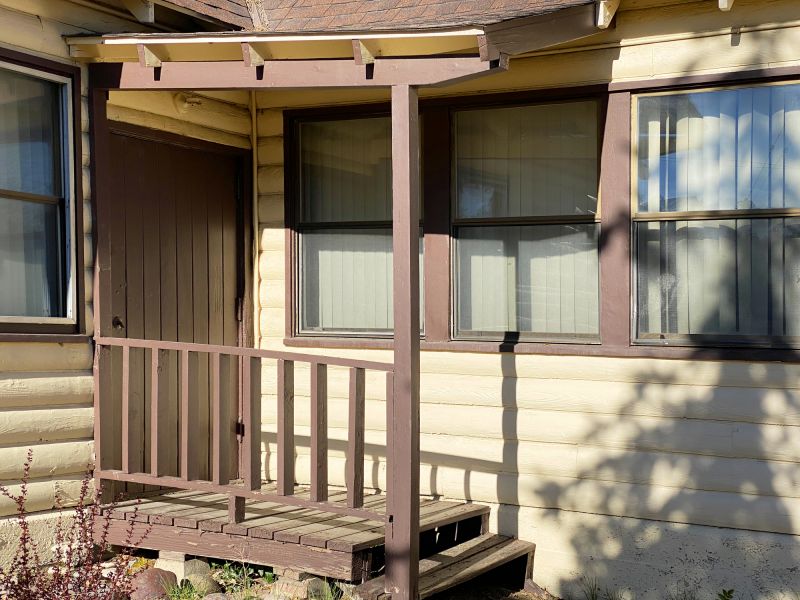
Spring offers moderate temperatures and lower humidity, ideal for installing wood sidings.
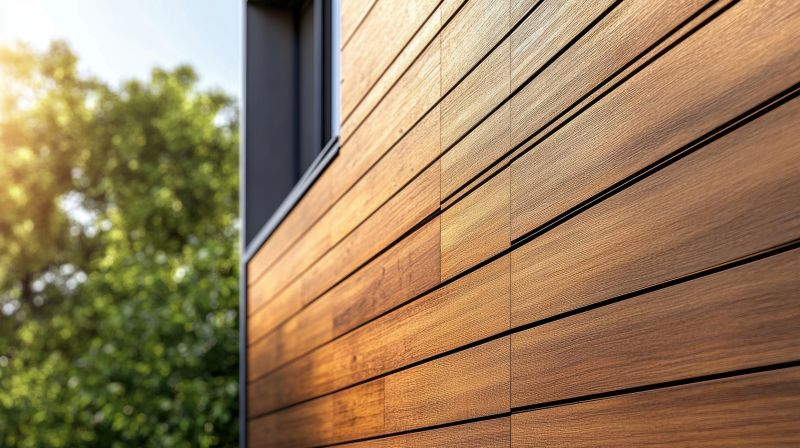
Early summer provides longer daylight hours and stable weather conditions for siding projects.
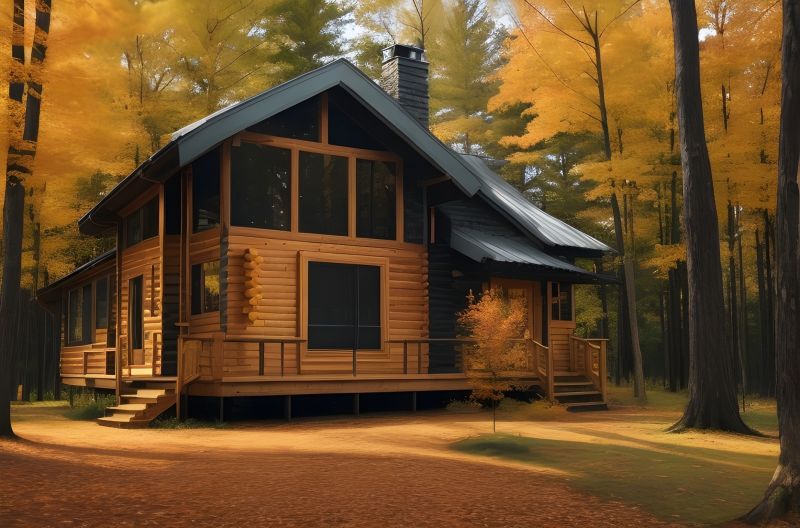
Autumn allows for completion before colder weather, ensuring proper curing and sealing.
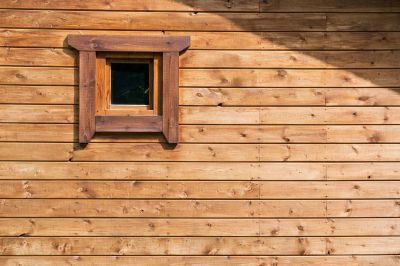
Ways to make Wood Sidings work in tight or awkward layouts.
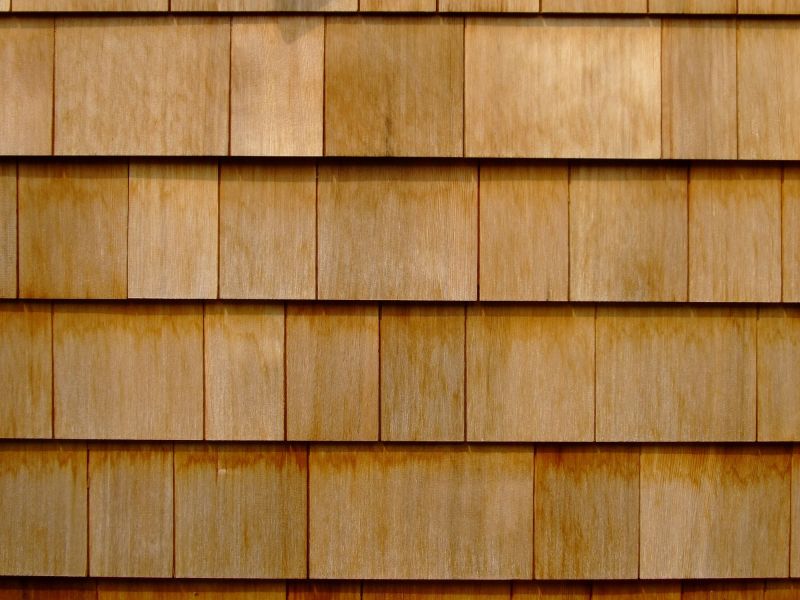
Popular materials for Wood Sidings and why they hold up over time.
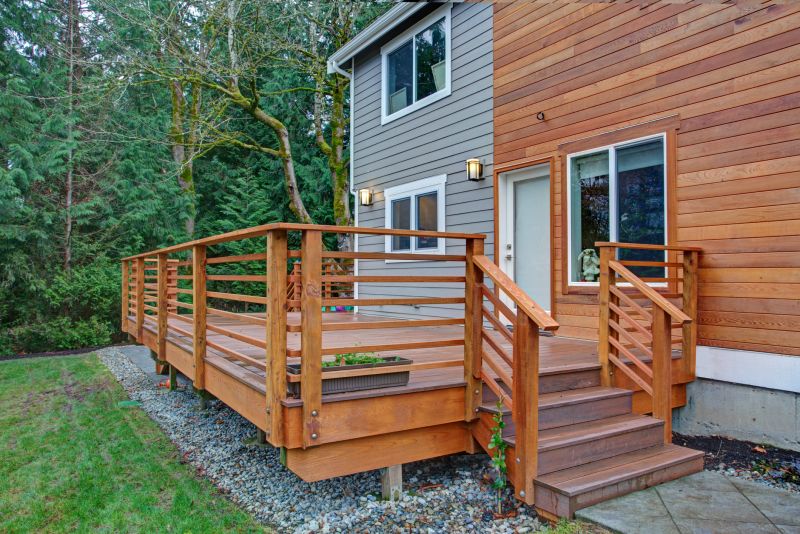
Simple add-ons that improve Wood Sidings without blowing the budget.
Wood sidings are a popular exterior cladding choice for residential and commercial buildings. They provide a natural aesthetic and can enhance the architectural style of a property. Proper installation timing ensures durability, appearance, and longevity of the siding material.
The best time to install wood sidings typically depends on climate conditions, with milder weather reducing the risk of moisture-related issues. Installing during dry, moderate weather minimizes expansion, contraction, and potential warping, leading to a longer-lasting finish.
Installing wood sidings in dry, moderate weather prevents moisture absorption and swelling.
Avoid extreme temperatures to reduce the risk of wood cracking or warping during installation.
Lower humidity levels in spring and early summer help prevent mold and rot.
Scheduling installation during favorable weather allows for proper curing and sealing.
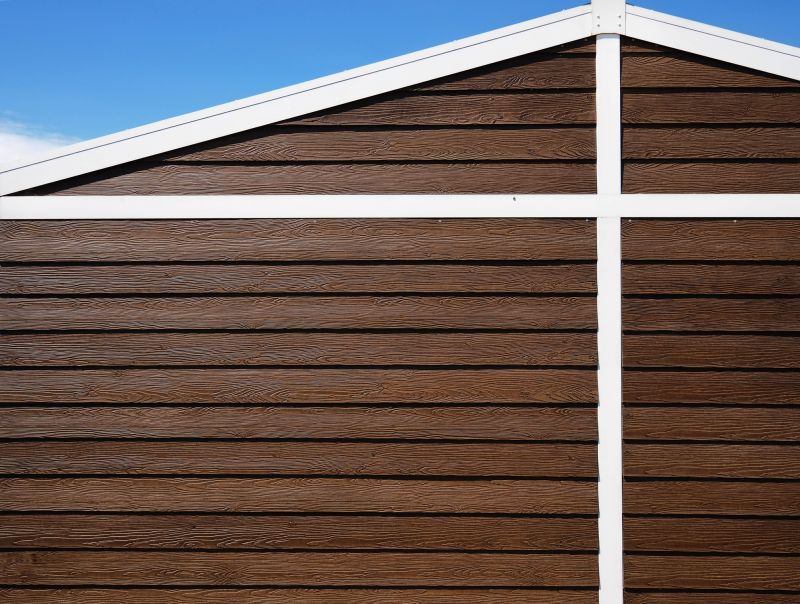
High-end options that actually feel worth it for Wood Sidings.
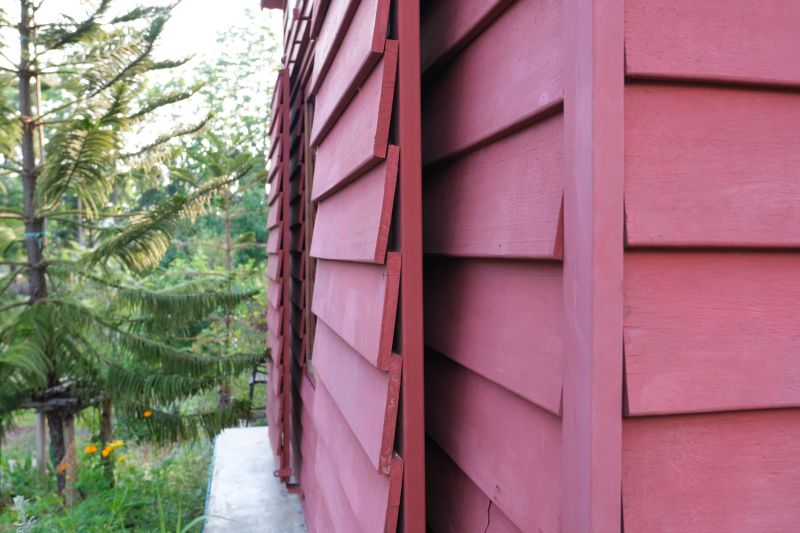
Finishes and colors that play nicely with Wood Sidings.
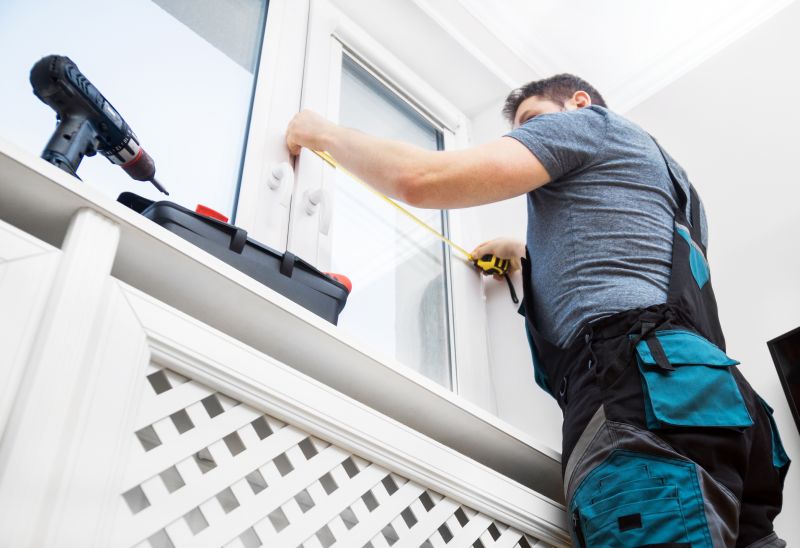
Little measurements that prevent headaches on Wood Sidings day.
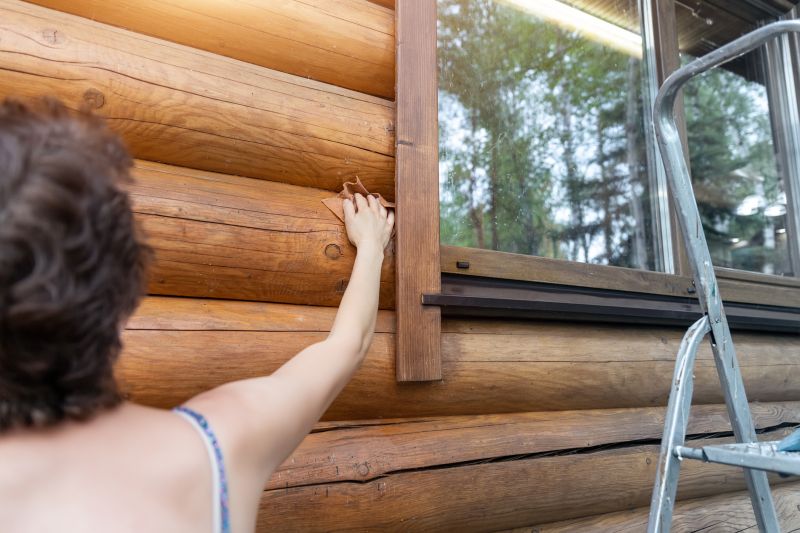
A 60-second routine that keeps Wood Sidings looking new.
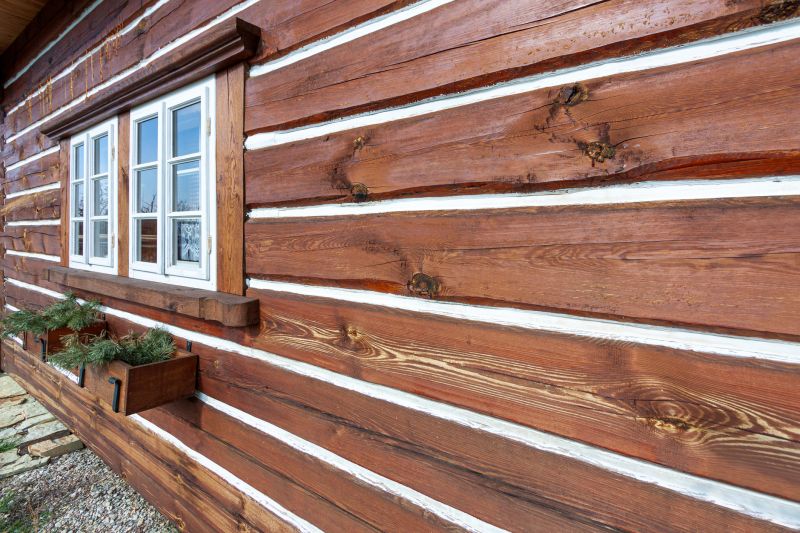
A frequent mistake in Wood Sidings and how to dodge it.
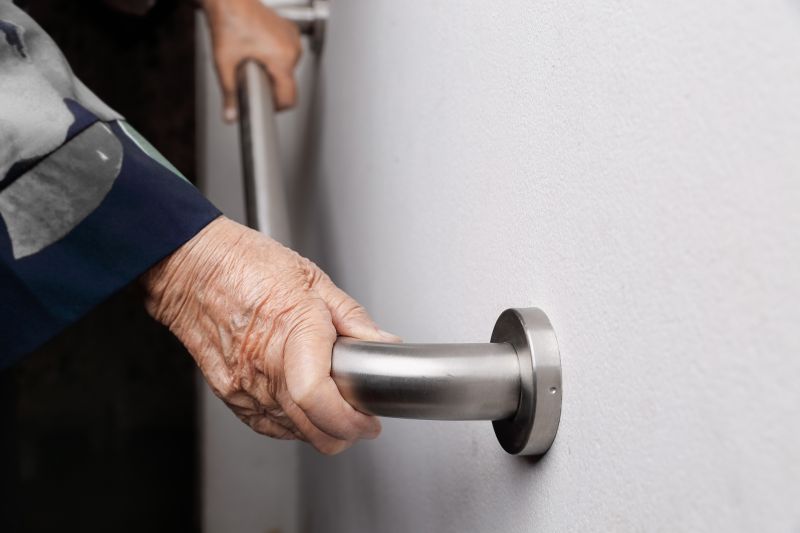
Small tweaks to make Wood Sidings safer and easier to use.
| Season | Best Conditions |
|---|---|
| Spring | Moderate temperatures, low humidity |
| Early Summer | Longer daylight, stable weather |
| Autumn | Completion before cold weather |
| Winter | Not recommended due to moisture and cold |